|
In some parts of the US warm temperatures have already rushed daffodils through their bloom season. In others, gardeners are just beginning to see those cheerful emerging and dreaming of the bright flowers to come.
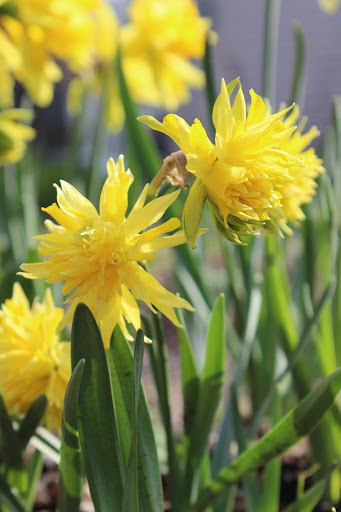
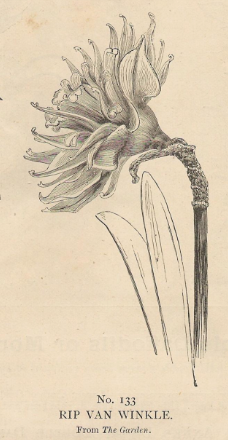
Daffodils have long been beloved spring flowers in both the United States and the United Kingdom. Stories of “Irish Daffodil Mania” inspiring interest in their rich history are told by Martin Stott on The Storyteller’s Garden, where he explores how engravings by Gertrude Hartland led him to accounts of the origins of daffodil enthusiasm in Ireland. These stories highlight how gardeners have been drawn to preserving heirloom daffodil varieties such as ‘Rip van Winkle’ (1884) and ‘The Tenby’ (1796).
When Daffodils Don’t Bloom
The article mentions that the Rip van Winkle daffodil, “while delightful when it blooms, sometimes won’t bloom for years, then suddenly re-appears in glory.” Many daffodils have reasons for taking a break from blooming and we frequently hear from customers that their daffodils are not blooming - or have stopped blooming.
In a Mississippi publication, The Dispatch, gardener Felder Rushing gives the advice that, “when it comes to digging daffodils, waiting two months can save two years.”
Rushing collects daffodils from abandoned homes and moves them to an old cemetery for “posterity’s sake.” When he walks past an abandoned property and sees beautiful daffodils, he takes a picture or may cut a flower to remember the location because he has found that waiting five or six weeks before digging them is best. Once he has moved the bulbs to their new location, they have stored up enough energy to continue the preparation for the next spring’s flowers.
Common Reasons Daffodils May Not Bloom
According to the American Daffodil Society, there are several reasons daffodils may not bloom, which are explained along with a deeper dive into daffodil information on their website. Some of the causes are…
• Bulbs have not been ‘fed’ in a couple of years with a low nitrogen fertilizer.
• Feeding has been with a high-nitrogen fertilizer.
• Bulbs are planted in a shady area.
• Bulbs are in competition for food with other plants.
• Bulbs are planted in an area with poor drainage.
• Plant leaves were cut too soon or tied off the previous year.
• Bulbs may be stressed from transplanting.
• Growing conditions the previous spring may have been unfavorable, resulting in the plant’s inability to properly regenerate and store energy. As a result, the re-formation of the bulb was compromised, impacting the next growth cycle.
• Bulbs may have been growing in the same spot for many years and need dividing.
For the best blooming conditions, start with letting the leaves die back naturally so the bulbs can replenish their energy. If needed, thin surrounding plants or move your daffodil bulbs to a sunnier location anytime after the leaves have yellowed - planting them at a depth of about two to three times the height of the bulb. Over time, clumps can become crowded, so lift and divide bulbs every three to five years for strong bulbs and consistent blooms.
Support plant health by applying a low-nitrogen fertilizer in early spring and again after flowering. Ensure well-drained soil, add a light layer of mulch, and provide consistent moisture during active growth. With improved care, bulbs that have underperformed will often recover and return to reliable blooming.
Spring flowers are always a welcome sight after winter—even in milder climates—and daffodils remain a timeless favorite. However, heirloom varieties could be lost without continued care and preservation. Organizations like the Royal Horticultural Society are working to conserve these historic blooms for future generations.
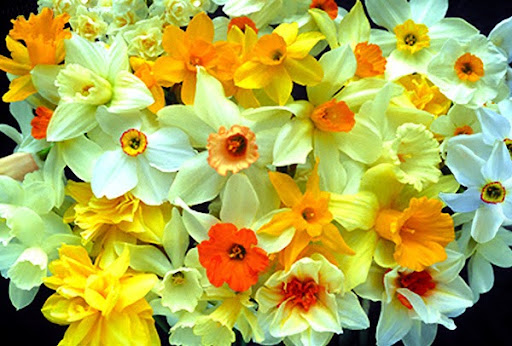
If you have fallen in love with heirloom daffodils, there is always more to discover – and even more reason to help preserve their story. Old House Gardens is devoted to continuing the tradition of growing heirloom daffodils and other old bulbs. A broad spectrum of daffodils are available to order for fall shipment.
|